Define what the model may observe
Novel-view synthesis concerns appearance from viewpoints that were not used to fit the scene representation. Start by deciding which source images are inputs and which are held out for evaluation. A visually attractive result at a fitted camera position does not establish the same quality at an unseen position.
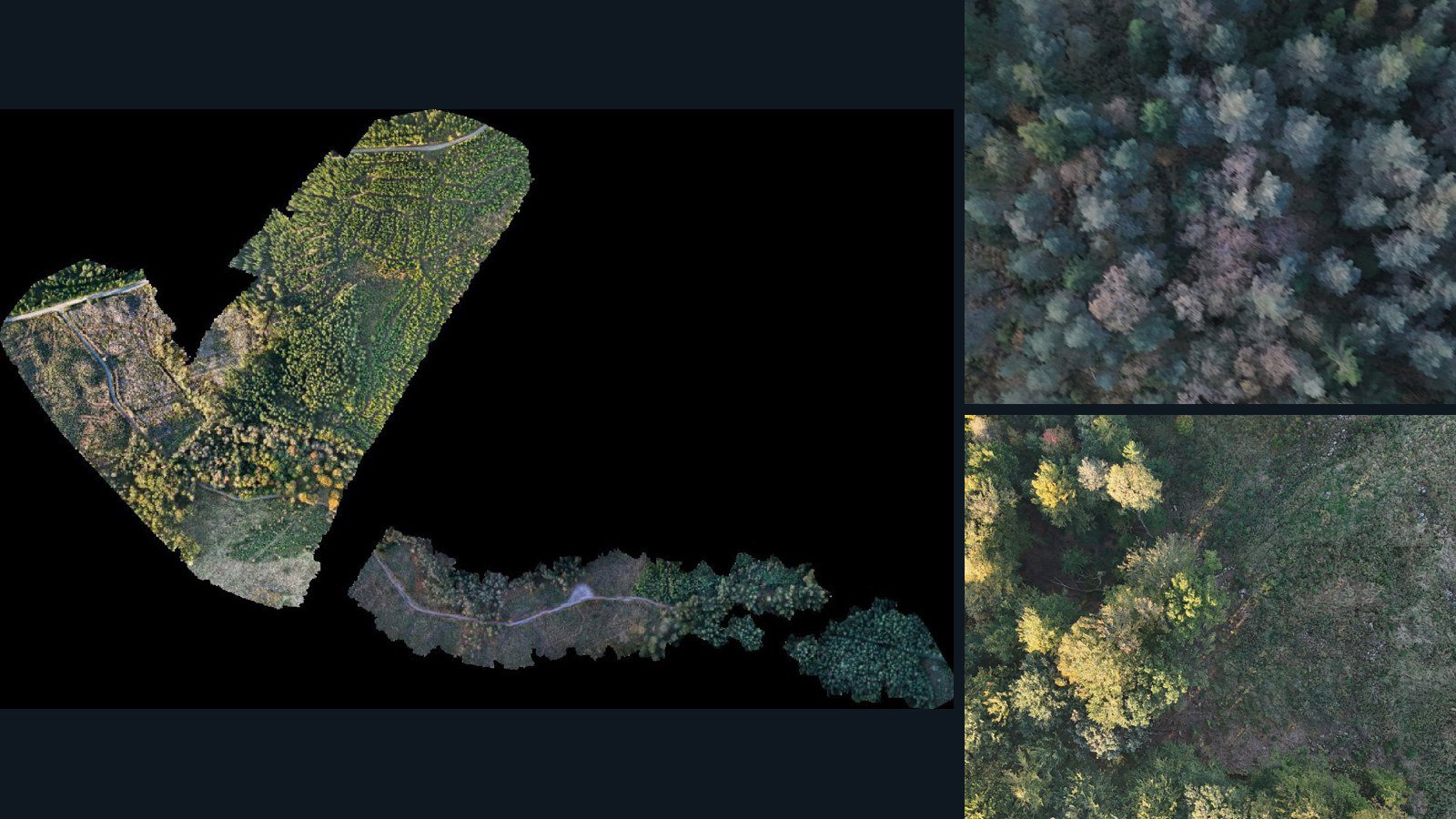
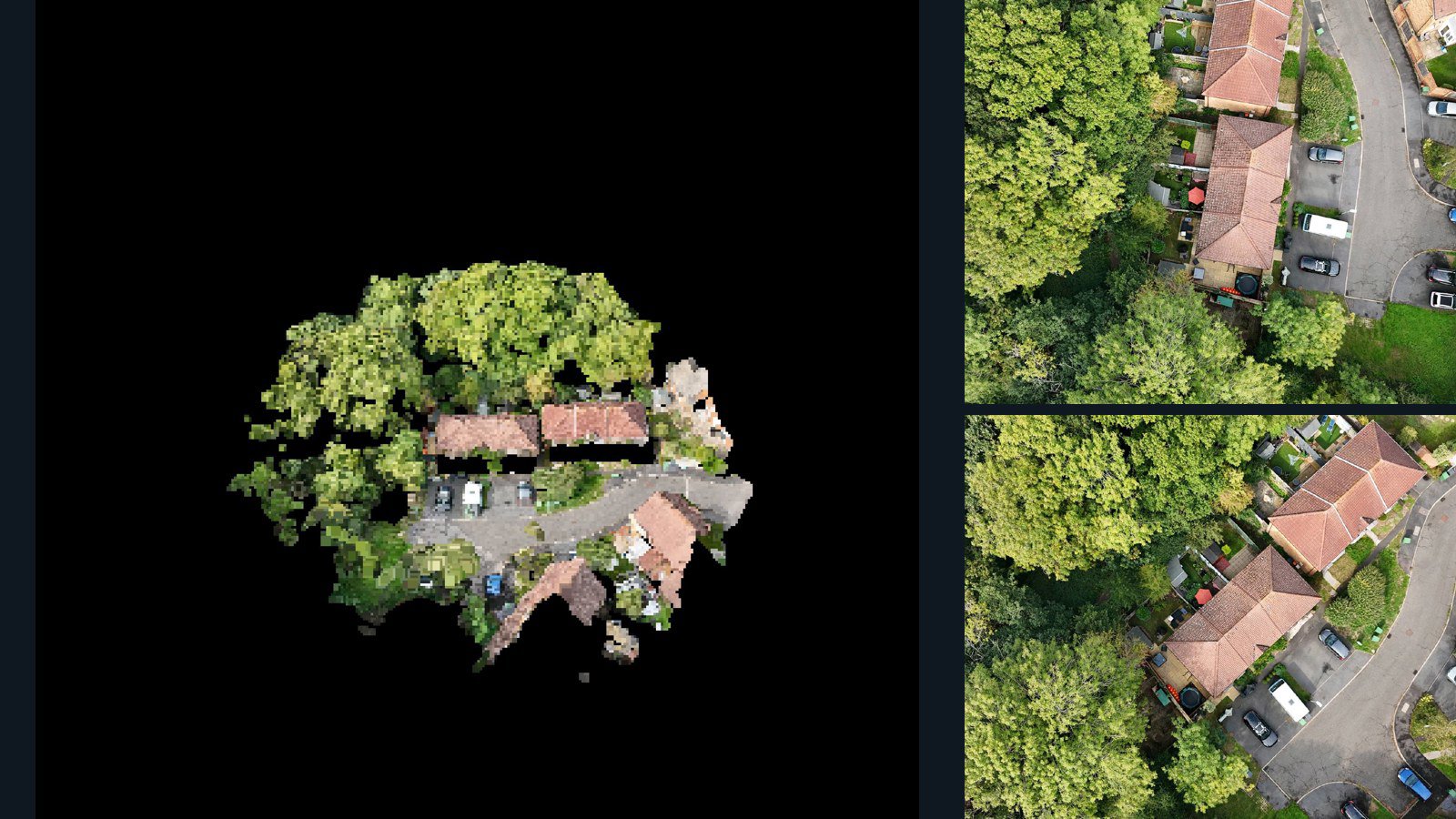
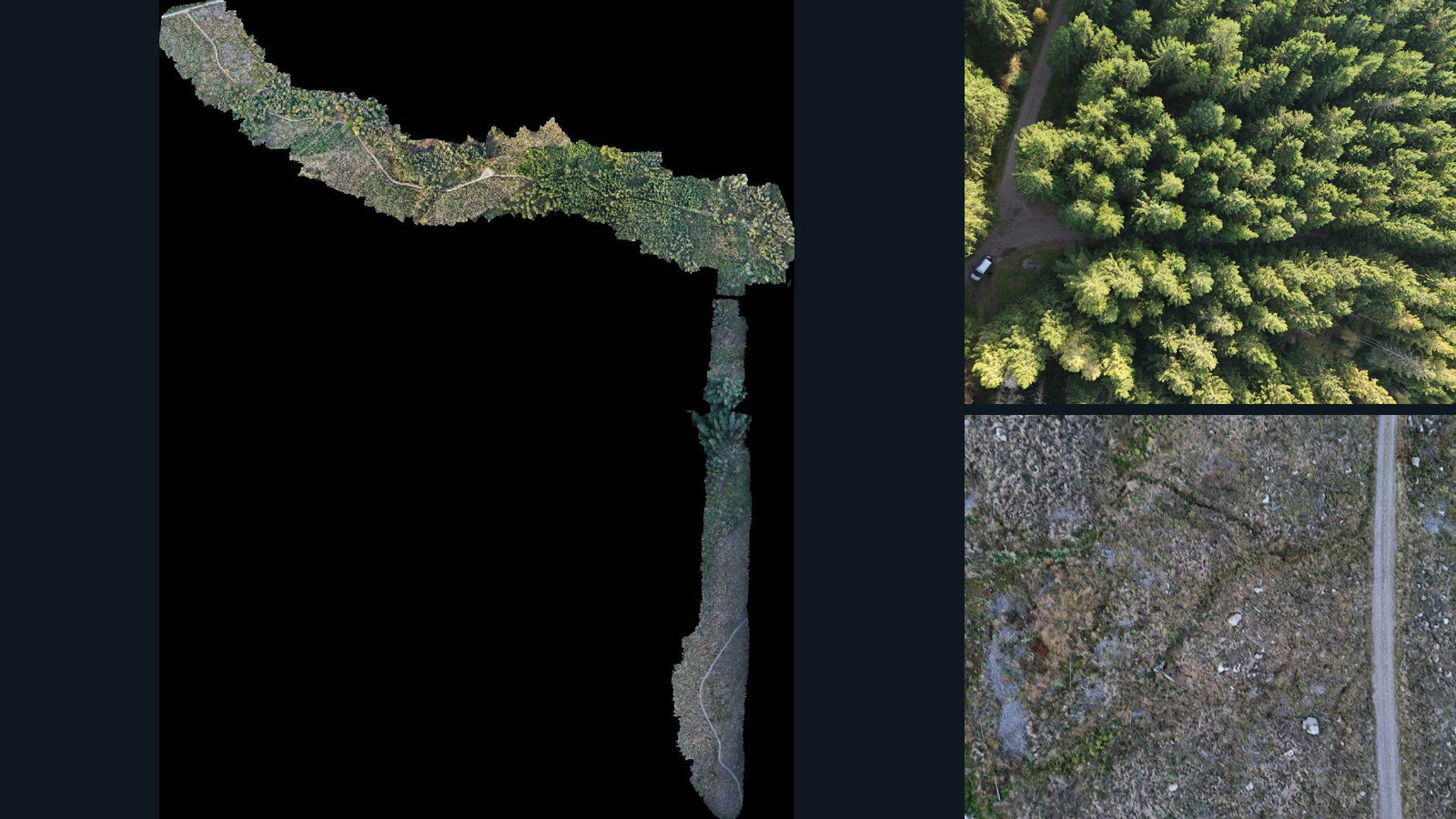
The current catalog consists of aerially captured environments. Inspect view angles, overlap, scene scale and the distribution of cameras around the visible surfaces. Many similar top-down images do not necessarily provide observations of façades, interiors or the reverse side of a structure.
Inspect camera files before committing to a pipeline
Candidate results retain source images and camera-data files. Open those files to check which images are registered, how identifiers map to filenames, whether intrinsic parameters and distortion are supplied, and whether transforms are camera-to-world or world-to-camera. A camera-data category is not a validated pose benchmark.
Your preprocessing may resize, crop or undistort images. Keep those operations consistent with the parameters consumed by the renderer or learning pipeline. Coordinate units, handedness and any normalization also need explicit handling. Retained geometry can help with checks, but is not a requirement of every view-synthesis method.
Keep visual failure modes in the evaluation
Review changing illumination, shadows, reflective surfaces, moving vegetation and incomplete observations. These can affect appearance consistency and reconstruction. Record which views or regions you exclude and why rather than selecting only outputs that look convincing.
Choose evaluation views before fitting, and distinguish nearby held-out views from larger viewpoint extrapolation. Keep related captures and nearly identical imagery from leaking across collection-level splits. The number of files alone does not measure independent environmental coverage.
Request source material, not an assumed trained representation
These scene candidates can be inspected for use with a neural rendering or other view-based workflow under an appropriate license. Their presence does not imply that a pretrained neural radiance field, Gaussian-splat model or standardized renderer export is supplied.
Specify the camera fields, image resolution, minimum useful view coverage, environment types and rights needed for your experiment. Public previews and evaluation samples are not a blanket model-training license. Confirm which scene versions and files are covered before training or redistributing derived results.